Your Cart is Empty
For a limited time, enjoy FREE Samples with $14.90 Delivery. Anywhere in Australia
For a limited time, enjoy FREE Samples with $14.90 Delivery. Anywhere in Australia




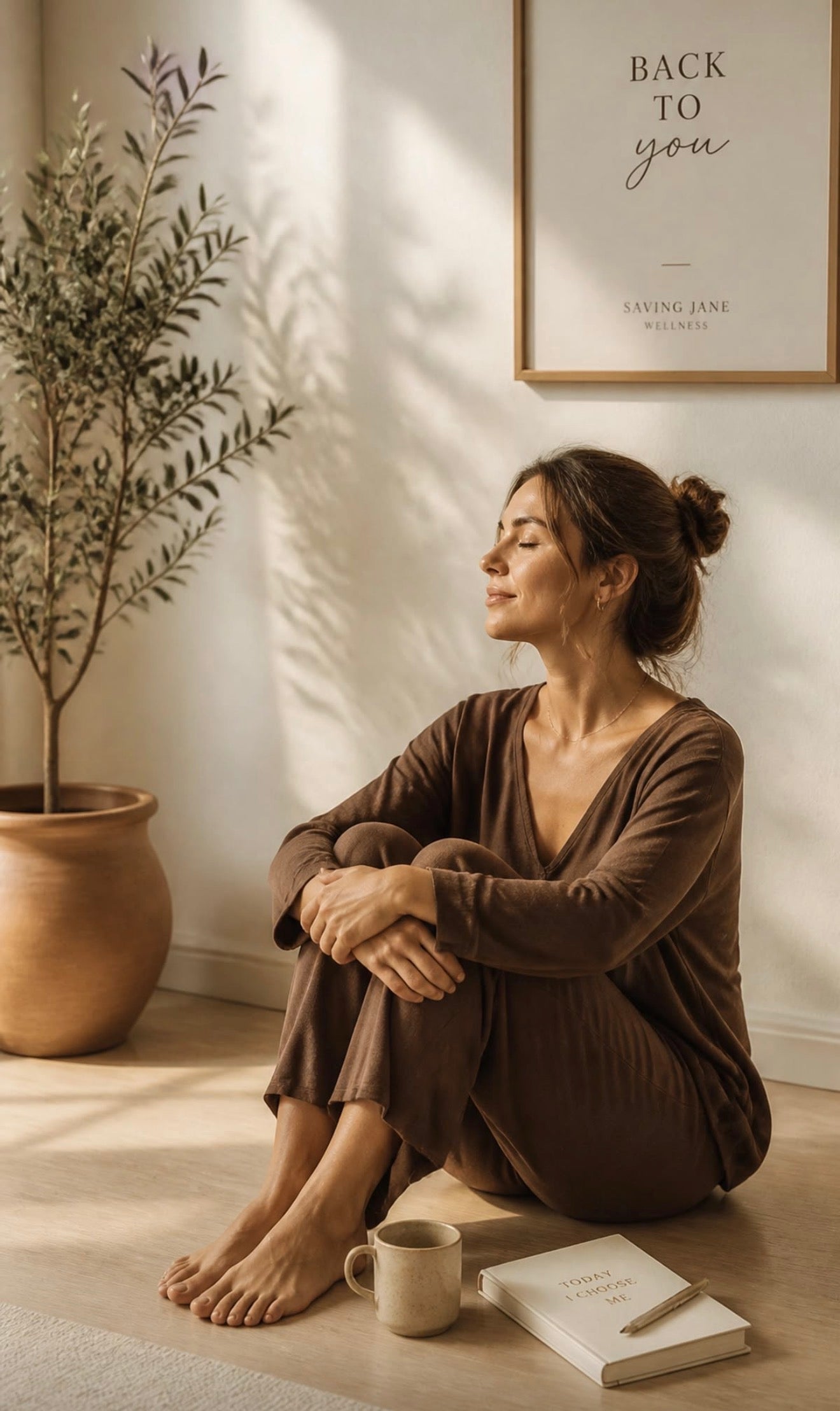
Ask a woman in her late 40s or early 50s what matters most right now, and you won't get one answer. You'll get a list - her health, her parents, her kids, her marriage, her job, her sense of self - all competing for the same 24 hours.
Researchers who've spent decades studying this stage of life have a name for what's really going on: it's not one crisis, it's multiple co-occurring stressors. Long-running studies of midlife women consistently find that what wears people down isn't menopause on its own, or an ageing parent on its own - it's everything arriving at once. A parent's declining health. A teenager still needing rides and reassurance. A body that suddenly responds differently to sleep, stress, and exercise than it used to. A career at its most demanding, right when energy feels least reliable.
And yet, when you ask women directly what they'd protect first if something had to give, the answer is remarkably consistent: their own physical health. Not vanity - function. The ability to keep up, to think clearly, to be there for the people counting on them. It's a quietly radical shift from earlier decades, when women's health often came last on the list, behind everyone else's needs.
That instinct is worth taking seriously, not guiltily. The data backs it up: how a woman's health looks in her 50s - her fitness, her weight, whether she's smoking, how she's managing stress and mood - strongly predicts how she'll be doing a decade later. Midlife isn't just a stage to survive. It's the hinge point that shapes the next thirty years.
So if there's one thing worth prioritising right now, it's this: treating your own health as infrastructure, not indulgence. The sleep, the movement, the check-ups, the boundaries - they're not selfish extras squeezed in around caregiving. They're what make the caregiving sustainable. You can't pour from an empty cup, and at this stage of life, more people than ever are depending on yours staying full.
The women who describe midlife as an arrival rather than a decline tend to share one thing: they stopped waiting for permission to put their own health first, and started treating it as the foundation everything else stands on.
If that's you right now - juggling more than anyone sees - you're not doing it wrong. You're doing what this stage of life actually asks. The task isn't to do less for the people you love. It's to make sure you're still standing to do it.
Comments will be approved before showing up.